Ireland has no native snake species. The National Museum of Ireland’s reptile collection account says no snake remains have been found that establish a native population, despite native snakes occurring in neighbouring Britain and continental Europe.
That is a more precise statement than saying there has never been a snake anywhere in Ireland. People keep snakes in captivity, and the museum holds historical examples found after likely escapes or releases. Native wildlife and animals brought by people belong to different parts of the story.
Why the island matters
The explanation is about the history of climate, colonisation and separation by sea. In James Owen’s interview-based account for National Geographic, National Museum naturalist Nigel Monaghan explains that snakes did not establish themselves in Ireland as animals spread into northern Europe after glacial conditions eased.
The timing mattered: access to Ireland became a barrier before snakes reached it. Being able to survive in a country and being able to get there naturally are separate requirements. Comparing Ireland with Britain therefore needs more than a glance at today’s weather or their positions on a map.
This is not a claim that modern Ireland is magically or physically incapable of containing a snake. It explains why snakes are absent from the island’s native fauna.
Did Saint Patrick drive them out?
The familiar story belongs to legend. It is not evidence of an earlier Irish snake population that was later expelled. The museum’s account of the absence of remains and Monaghan’s explanation concern natural history, rather than a documented act by a historical person.
A cultural story can remain interesting without being used as a wildlife record. Ask separately what a tradition means to people and what evidence exists for an animal’s past distribution.
What about snakes found in Ireland?
The National Museum describes grass snakes found in places including Ranelagh, Greystones and Rathgar in the late nineteenth and early twentieth centuries. Its account connects these specimens with the pet trade and likely escapes or releases; an isolated find does not establish a native breeding population.
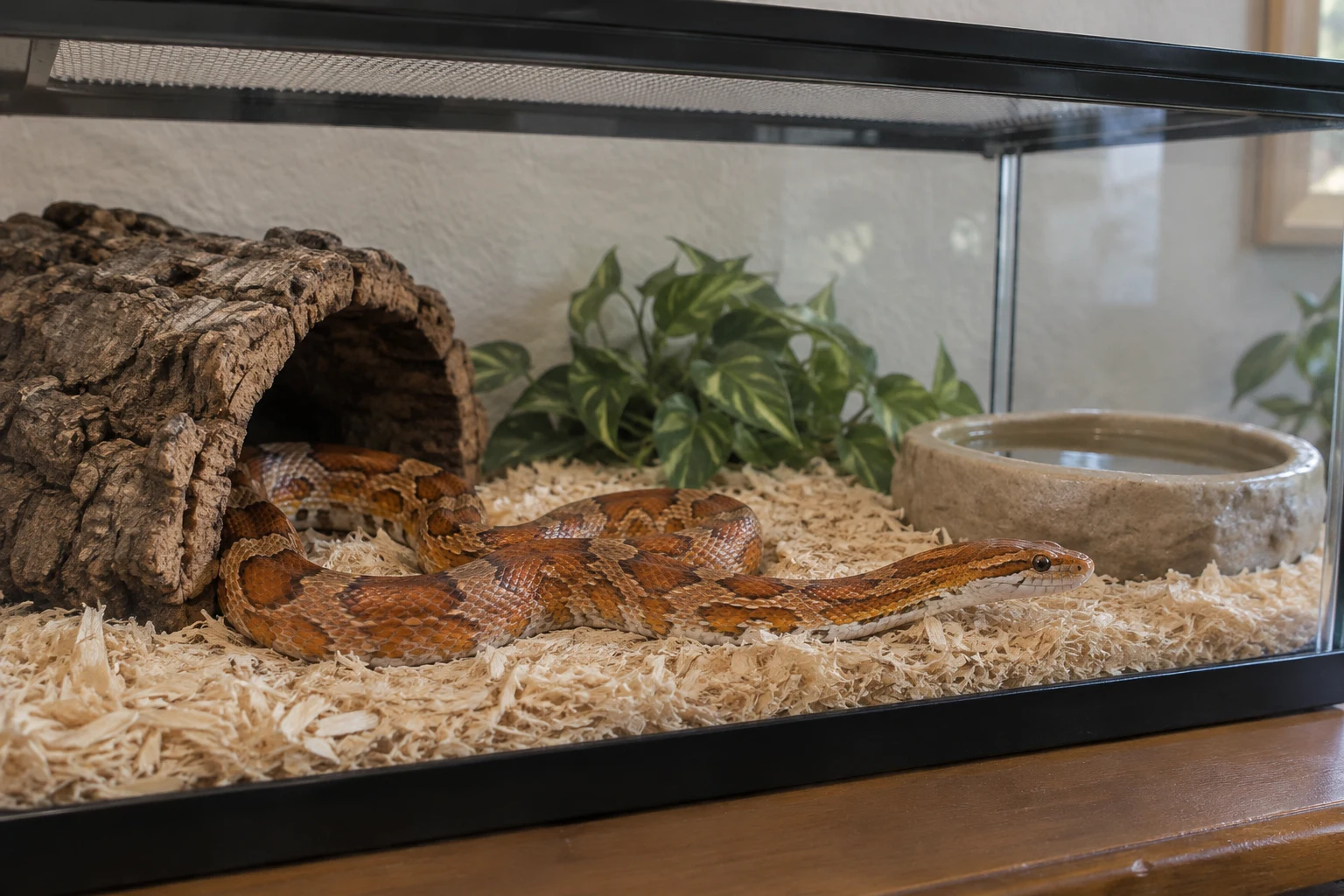
The distinction also explains why an image of a captive snake does not contradict Ireland’s lack of native snakes. The relevant questions are where the animal came from, whether humans transported it and whether there is evidence of an established population.
Ireland does have a native reptile
The common or viviparous lizard is native to Ireland, as the Natural History Museum’s reptile guide notes. No native snakes does not mean no native reptiles.
The most useful answer to the original question is therefore quite specific: snakes did not naturally establish here in the post-glacial recolonisation story. The Saint Patrick legend, captive pets and occasional historical discoveries answer different questions.


Join the conversation
Keep it kind, relevant and constructive. Comments are reviewed before they appear.
Be the first to share a thought.