

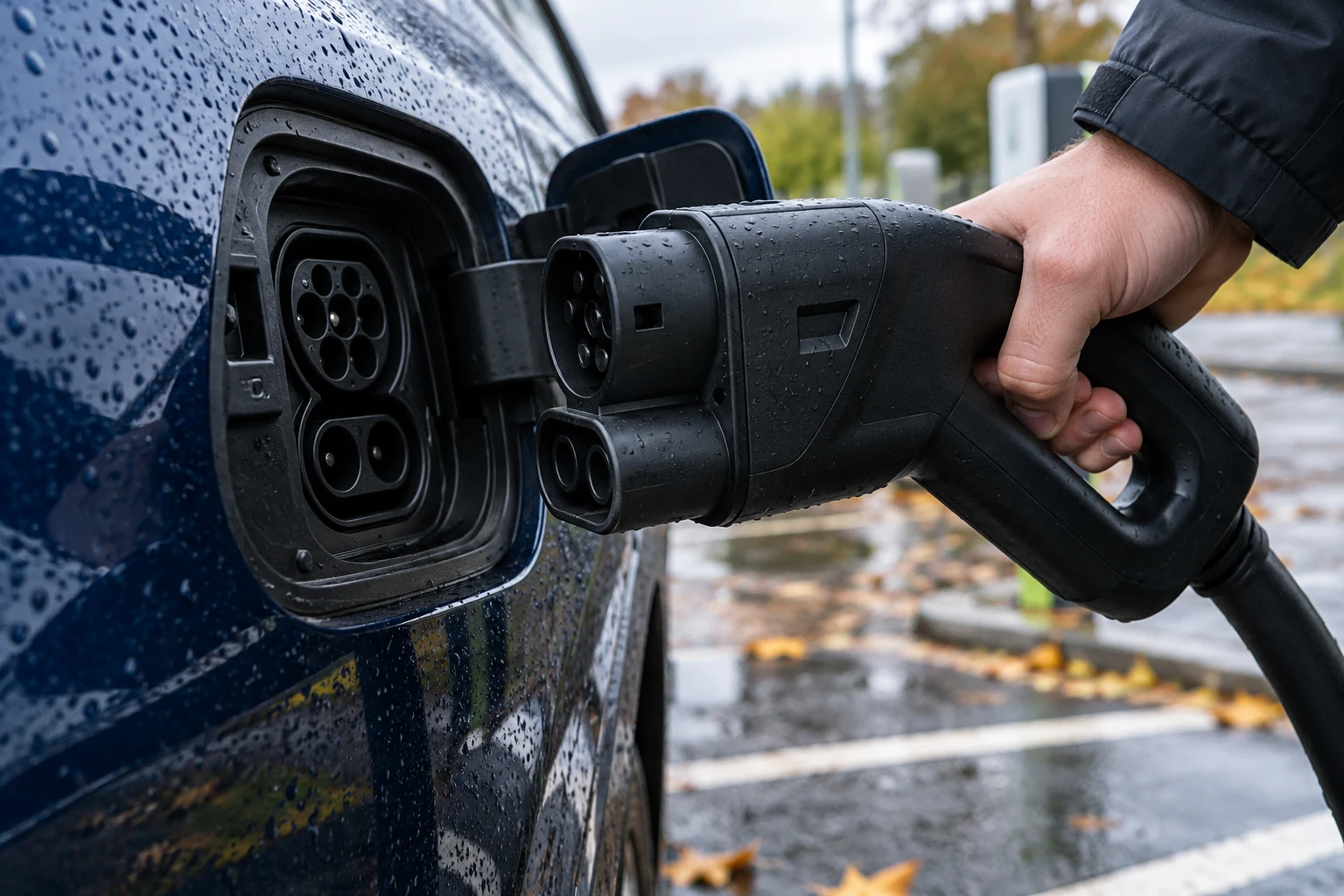
A lower price per kilowatt-hour can still produce a higher monthly bill if little energy is bought on that network. Likewise, a modest energy purchase can become more expensive when an overstay fee applies.
We checked ESB ecars’ published Irish tariff page on 22 October 2026 and calculated illustrative comparisons. This is a method for reading a tariff, not a survey of every Irish network or a recommendation for an individual driver.
Separate energy, membership and time
The operator’s live price plans list standard AC prices of €0.60/kWh for account pay-as-you-go and €0.55/kWh for membership. Membership has a €4.79 monthly charge and a twelve-month minimum term. Rates for DC charging and contactless payment differ.
The same page’s introductory text describes contactless as the same price as pay-as-you-go, while the detailed contactless figures are €0.61/kWh for AC and €0.73/kWh for DC, above the account figures. Check the actual charger and payment route before starting; do not rely on the introductory sentence to resolve that discrepancy.
Worked example: one 24 kWh AC session
At €0.60/kWh, a 24 kWh energy purchase costs €14.40. At €0.55/kWh, it costs €13.20, a €1.20 energy saving. If that were the only use in a month, adding the €4.79 subscription would make the membership total €17.99, €3.59 above the pay-as-you-go energy cost.
These calculations exclude any time, parking or other applicable charges. They use energy billed at the charger; they do not estimate battery range or assume that every billed kilowatt-hour becomes usable stored energy.
Calculate the volume threshold carefully
A five-cent-per-kWh difference needs 95.8 kWh of comparable monthly charging to equal €4.79: €4.79 divided by €0.05. Over a twelve-month commitment, consider the whole expected usage pattern rather than extrapolating from one unusually busy month.
This threshold applies to the particular compared rates and assumptions. It is not a universal break-even point across payment methods, charger types or networks, and it changes when fees or rates change.
Read the clock as well as the meter
The tariff page lists an overstay charge of €0.50 per minute after 45 minutes on fast/high-power chargers and after ten hours on standard chargers, capped at €22.50. Ten chargeable minutes would therefore add €5 in that example. Check site parking terms separately; a charging payment is not automatically parking permission.
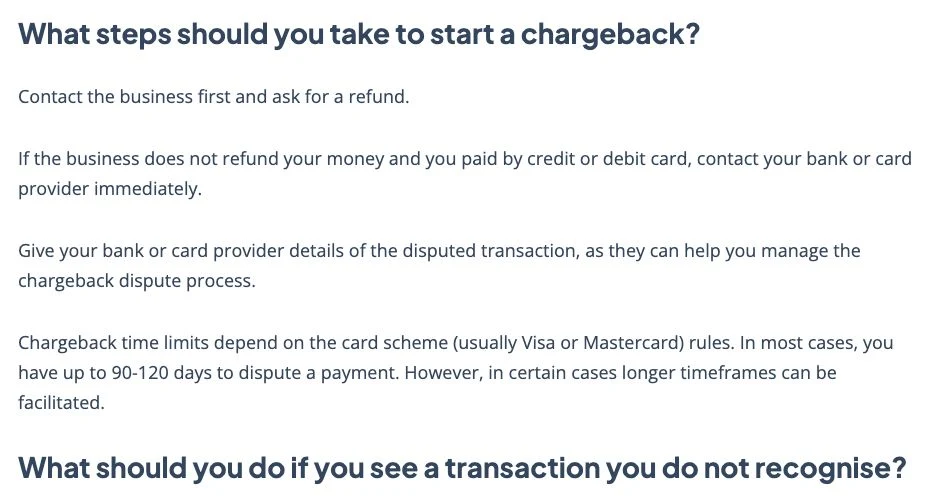
Before connecting, record connector suitability, selected tariff, energy rate, time trigger and payment method. Afterwards, reconcile energy, time and other charges against the receipt and actual session. Keep the charger identifier if disputing a bill. This complete-session method remains useful even when a headline rate changes.
Join the conversation
Keep it kind, relevant and constructive. Comments are reviewed before they appear.
Be the first to share a thought.