

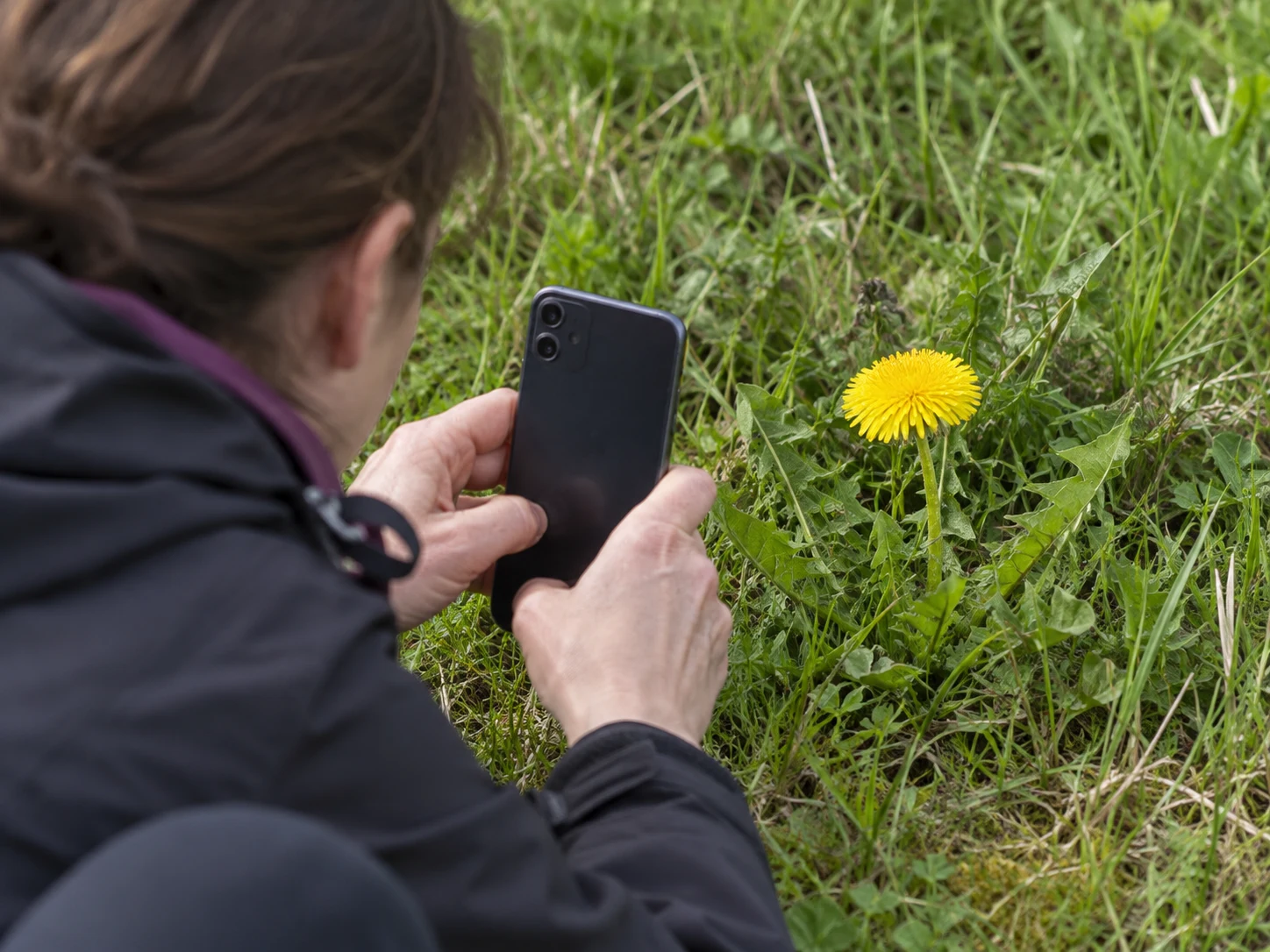
A wildlife photograph can be interesting without yet being a usable biological record. If the location is the place where it was uploaded rather than where it was seen, or the date defaults to today, the record can describe an observation that never happened.
We used the National Biodiversity Data Centre’s validation guidance to build a short observation-to-submission check. It is for genuine sightings, not for generating records from stock photographs, AI images or guesses.
Keep four fields attached to the evidence
The Data Centre’s valid-record guidance requires the recorder, species, location and observation date. It needs a full recorder name and valid email so a validator can ask questions. Submit these only through the relevant recording service; there is no reason to post personal contact information alongside a public nature photograph.
Species identification matters. If uncertain, ask for help before entering a definite species name. The Centre provides forms for major groups and an Other Species option where a suitable specific form cannot be found. A confident-looking automated suggestion does not remove the need to be certain.
For location, both the site name and spatial reference matter. A map or phone location tool can help, but check that the point represents the sighting. A nearby village label may cover a much larger area than the place observed.
Observation time is different from upload time
Suppose a person observes a plant on Saturday and submits the record on Tuesday. The biological observation date remains Saturday. Tuesday is simply the administration date. This hypothetical example illustrates the distinction; it is not a record we have submitted.
The Centre explicitly tells web users to change the date when entering a past observation. Its guidance says the Biodiversity Data Capture app is for live recording and cannot submit retrospective records. Use the suitable route for the actual timing.
A check before pressing submit
Keep the original image or notes with the proposed record. Read the species name again, compare the map point with the place seen, check the observation date and ensure the recorder can be contacted through the official system. Describe uncertainties honestly instead of filling gaps with invented detail.
A nature group can assign one person to review these fields before a batch is uploaded. Maintain the distinction between several people photographing the same observation and genuinely separate observations; ask the recording scheme how it wants group records handled.
The aim is useful evidence of what was actually observed. Accuracy is more valuable than a large count of submissions, and a photograph that needs identification can wait for clarification without being turned into a false confirmed record.
Join the conversation
Keep it kind, relevant and constructive. Comments are reviewed before they appear.
Be the first to share a thought.