

A rental search has two separate tests: finding a home that fits everyday life, and checking that the offer and payment request are genuine. A fast response to an advert does not settle either question. A repeatable process helps keep the pressure of the search from deciding what happens next.
This guide checks public advice on 20 October 2026. It is general information, rather than a decision about anyone’s tenancy rights or a guarantee that an advert is safe.
Set the search around a usable home
Write down the maximum total monthly cost, who will live there, the move-in window and the journeys that must work. Rent alone leaves out bills and transport. Compare a whole dwelling with another whole dwelling, or a room with another room, rather than treating every advert as the same product.
Use property portals, established letting agencies and any accommodation service available through a college or employer as places to find leads. Keep a record of the advert, address, advertised cost and contact details. Appearing on a familiar platform does not remove the need to check the individual offer.
Work out what arrangement is being offered
Threshold’s renting-readiness guide distinguishes tenants from licensees, who are generally outside the main Residential Tenancies Act protections. A room arrangement should not automatically be treated as identical to renting an entire private dwelling.
Ask what is being offered and who will live in the property. If the status or terms are unclear, seek advice before relying on a rule intended for a different arrangement. Threshold provides free, confidential renter advice; use its official contact routes rather than sending private documents to someone claiming to represent it.
View, inspect and ask specific questions
The RTB’s tenant checklist recommends inspecting the property thoroughly before agreeing to rent it. It also covers written terms, landlord contacts, an inventory and dated photographs.
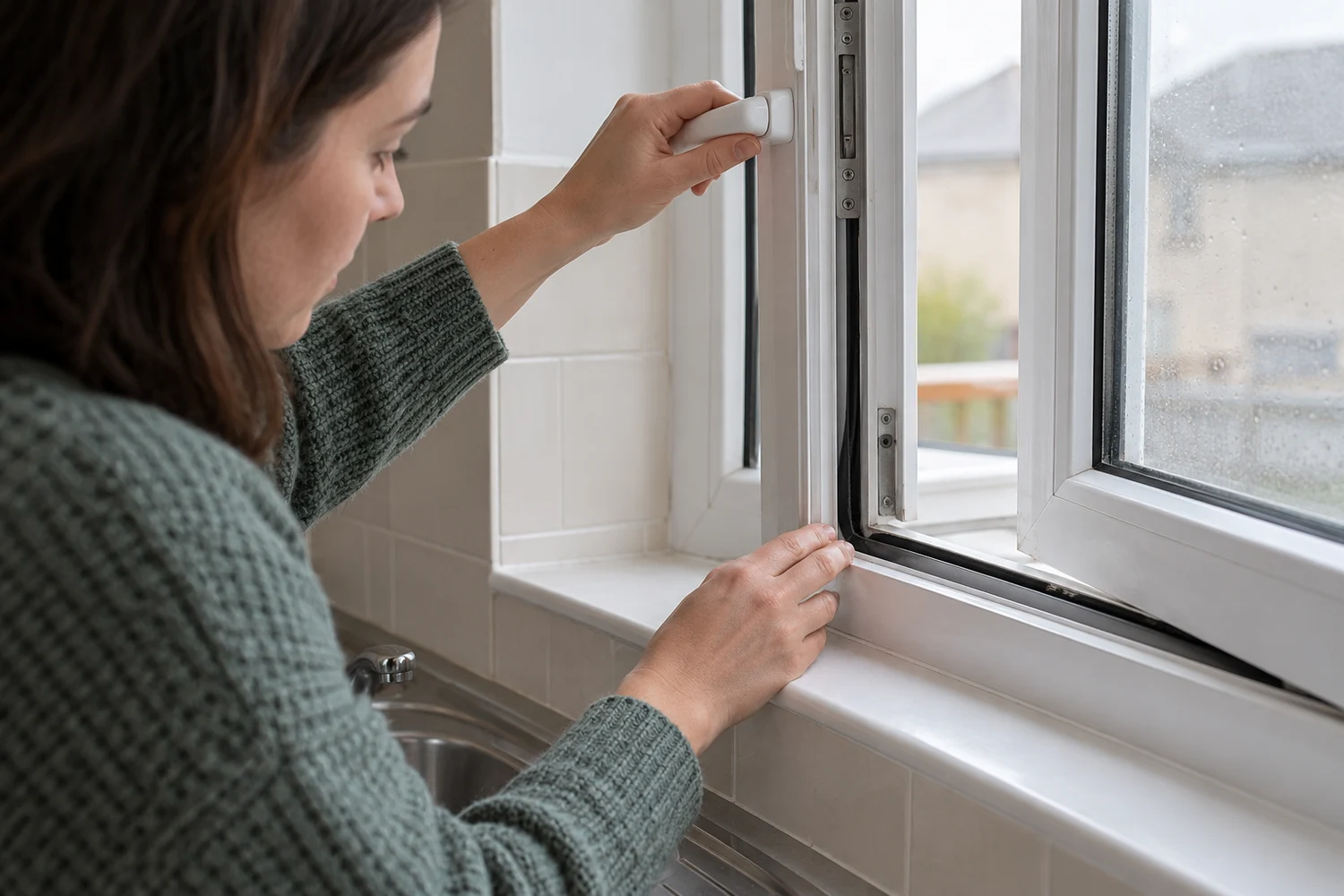
At a viewing, check ordinary things you will use every day: whether windows and doors operate, signs of leaks or damp, the heating arrangements and the appliances included. Ask which bills are separate, what furniture stays and how repairs are reported. These observations do not replace a professional assessment or establish legal compliance, but they give concrete questions to resolve.
If you later move in, agree a record of contents and condition. Keep that record with the agreement and receipts. Describing an existing defect at the start is more useful than trying to reconstruct its condition months later.
A viewing is one check, not complete proof
Garda rental-fraud advice warns that scams can involve a person claiming to be abroad, several deposits taken for the same property, or keys that do not work. It advises checking that the property exists, is available to rent and that the person offering it has authority to do so.
Threshold’s Scamwatch guidance also warns against being rushed, relying only on photographs or virtual tours, and paying without checking the recipient and account details. A plausible address or an attractive price does not answer those checks.
Use independently verified contact details when checking an agency or following up an offer. Keep communications and payment instructions. Pause if the property, identity, terms or intended payment recipient cannot be reconciled; a deadline in a message is not evidence that the offer is genuine.
Check the deposit and written terms before paying
For tenancies covered by its guidance, the RTB’s security-deposit page says a landlord cannot request more than one month’s rent as a deposit. It advises paying only when satisfied with the property and terms, avoiding cash where possible, and getting a receipt. Make clear who holds the money and who returns it.
Keep the security deposit distinct from rent and other proposed charges. Ask for each amount and its purpose in writing. This guide does not establish which rules apply to a particular licence or accommodation arrangement; ask the RTB or Threshold if that is uncertain.
Garda fraud guidance advises reporting suspected fraud to a local Garda station and contacting the bank or financial institution promptly if an account has been used or compromised. Save the advert, messages and payment record for that report. Do not send further money just because someone promises it will unlock a refund.
The Press does not need a reader’s PPS number, identity document or bank details to explain these checks. Deal with verified official services and the verified parties to the proposed arrangement when personal information is genuinely required.


Join the conversation
Keep it kind, relevant and constructive. Comments are reviewed before they appear.
Be the first to share a thought.