

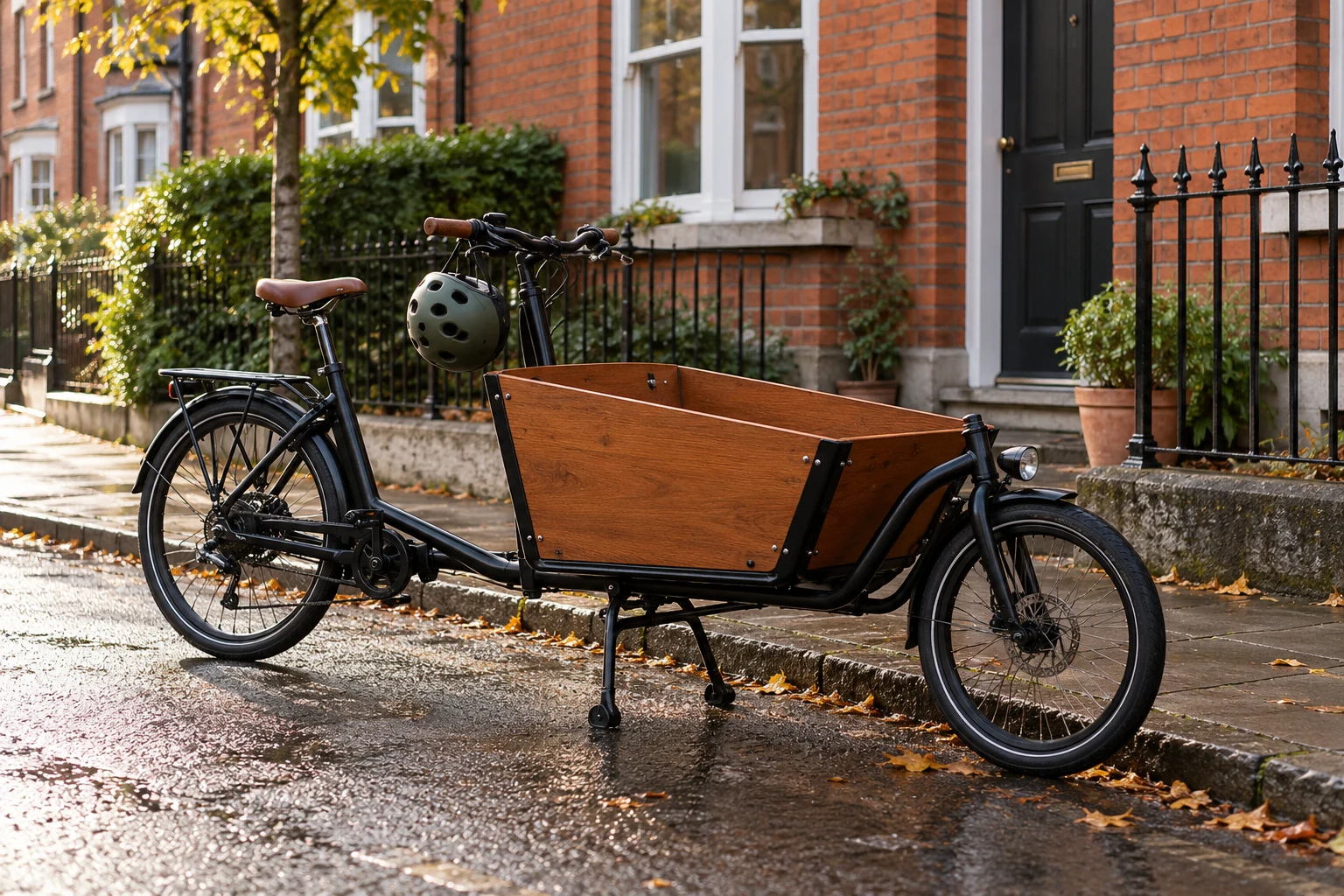
Buying a bicycle personally and submitting the receipt later may feel like a routine workplace expense. It is not the purchase sequence described by Revenue’s Cycle to Work exemption.
This guide uses Revenue’s June 2026 instructions to build a pre-purchase checklist. It explains the general scheme without calculating anyone’s individual tax saving or deciding whether a particular bicycle qualifies.
Agree the process with the employer first
Revenue’s current Cycle to Work guidance says the employer must buy the bicycle. The exemption does not apply where an employee buys it and is reimbursed. Participation is optional for the employer, so a retailer’s willingness to sell under a scheme does not establish workplace approval.
Ask who approves the quote, who places and pays the order, and what paperwork payroll requires. Civil and public servants also need to check the applicable supplier list. Avoid paying a deposit personally without confirming how the employer’s process handles it.
Match the bicycle to the right limit
Revenue lists limits of €1,250 for other bicycles, €1,500 for pedelecs and e-bikes, and €3,000 for cargo and e-cargo bicycles. Related qualifying safety equipment is included within the relevant limit, rather than automatically added on top. Excess cost can have tax consequences.
The scheme covers new qualifying bicycles and specified new equipment bought with the bicycle. It excludes second-hand bicycles, scooters and some accessories. A product described as electric is not automatically an eligible e-bike; check its actual category.
A worked quote comparison
Suppose a hypothetical ordinary bicycle quote is €1,150 and included qualifying safety equipment costs €100. The combined amount is €1,250, equal to that category’s limit. If the bicycle instead costs €1,200 with the same €100 equipment, the combined €1,300 is €50 above the limit.
That calculation identifies the excess; it does not calculate the employee’s final net cost. Keep the bicycle and equipment lines visible on the quote rather than comparing the bicycle price alone with the ceiling.
Check the four-year clock and journey declaration
Revenue allows use once every four years, counting the tax year of provision as year one. Its example shows a 2022 provision allowing another use from 1 January 2026. Record the actual previous provision year rather than assuming four anniversaries must pass.
The bicycle must be for the employee’s own use and mainly for qualifying journeys between home and the normal workplace, including part of such a journey. The employer asks for a declaration; occasional leisure use should not replace an honest assessment of the main purpose.
Keep the approval and payroll record together
Retain the approved quote, employer purchase evidence, provision year, relevant declaration and any salary-sacrifice agreement. Revenue says a salary-sacrifice arrangement can run for no more than twelve months. The exemption is not a guaranteed percentage discount for everyone: payroll treatment and personal circumstances determine the actual effect.
Join the conversation
Keep it kind, relevant and constructive. Comments are reviewed before they appear.
Be the first to share a thought.