

Ireland’s housing problem is partly a problem of timing: people need somewhere to live now, while a proposed development may take years to become a usable home. High rents and purchase prices are different symptoms of pressure on accommodation, so they need to be read alongside delivery figures rather than treated as one interchangeable statistic.
The useful distinction is between the homes already available, the new homes arriving and the projects still in the pipeline. A rise in building activity can help without immediately making a search for accommodation easy.
Why more construction can coexist with a shortage
The Central Bank’s September 2026 housing analysis describes an economy facing infrastructure constraints alongside population growth. It identifies the timing of water and electricity connections as important to increasing housing output. A building needs the services that make occupation possible, not only walls and a roof.
The same analysis discusses skilled-labour availability, financing and construction costs among the factors that can lengthen building time. These constraints interact: approving land for housing does not itself provide a serviced site, a workforce or the funding to finish a scheme. This is why a single explanation, whether planning alone or building costs alone, leaves out part of the delivery process.
Housing also has to be useful in the places people need it. A home elsewhere is not automatically a substitute if it cannot provide a workable journey to employment, education or care. National totals therefore need a local check as well as a headline count.
A permission or a start is not a finished home
In its 16 September bulletin announcement, the Central Bank reported an average four-year span from the initial planning application to completion for the approved or commenced housing pipeline it examined, twice the duration a decade earlier. That is an analysis of a pipeline, not a promise that a particular development will take exactly four years.
The underlying study links project records and estimates some missing completion dates. Its measures should not be confused with the CSO’s separate completions series. The practical lesson is to identify the stage of any housing announcement: proposed, permitted, commenced or completed. Each answers a different question about how much accommodation is ready to use.
What the latest completed-home count shows
The CSO’s second-quarter 2026 release, published on 30 July, counted 8,823 new dwellings completed between April and June. That was 3.6% fewer than in the same quarter of 2025. Apartment completions fell by 12.2%, while scheme-house completions rose by 2%.
The CSO uses electricity-connection records as the basis of this series. It measures newly completed dwellings, rather than the whole stock of Irish homes or the number currently advertised to rent. The different movements for apartments and scheme houses also show why one national construction figure cannot describe every type of accommodation.
Why someone moving can face a different rent
The RTB/ESRI first-quarter 2026 Rent Index, published on 3 September, put the national standardised average monthly rent at €1,839 for new tenancies and €1,513 for existing tenancies. The gap was €326. Annual growth was 9.1% for new tenancies and 4.2% for existing ones.
The RTB’s methodology explanation says the averages adjust for differences in property characteristics. These are registered-tenancy measures for January to March, not October asking prices or quotes for a particular room. Existing tenancies in the report are at least a year old.
The report notes that faster growth for new tenancies coincided with revised rent-setting rules, but says it was too early to separate an initial adjustment from a lasting change in market conditions. It would overstate that evidence to claim that one policy change explains the whole rent increase.
High prices and slower price growth are compatible
The CSO’s August property-price release, published on 13 October, recorded national annual growth of 5.1%. A slower positive growth rate still means prices were higher than a year earlier; it does not mean homes became cheaper. Our house-price explainer sets out the difference between a price index and a transaction median.
For a housing search, keep four separate questions visible: what is being built, what is finished, what is genuinely available in the required area and what payment the household would actually face. Neither a national average nor a promised future development answers all four. Our cost-of-living guide explains how to compare actual accommodation, bills and commuting arrangements without assuming a universal household budget.
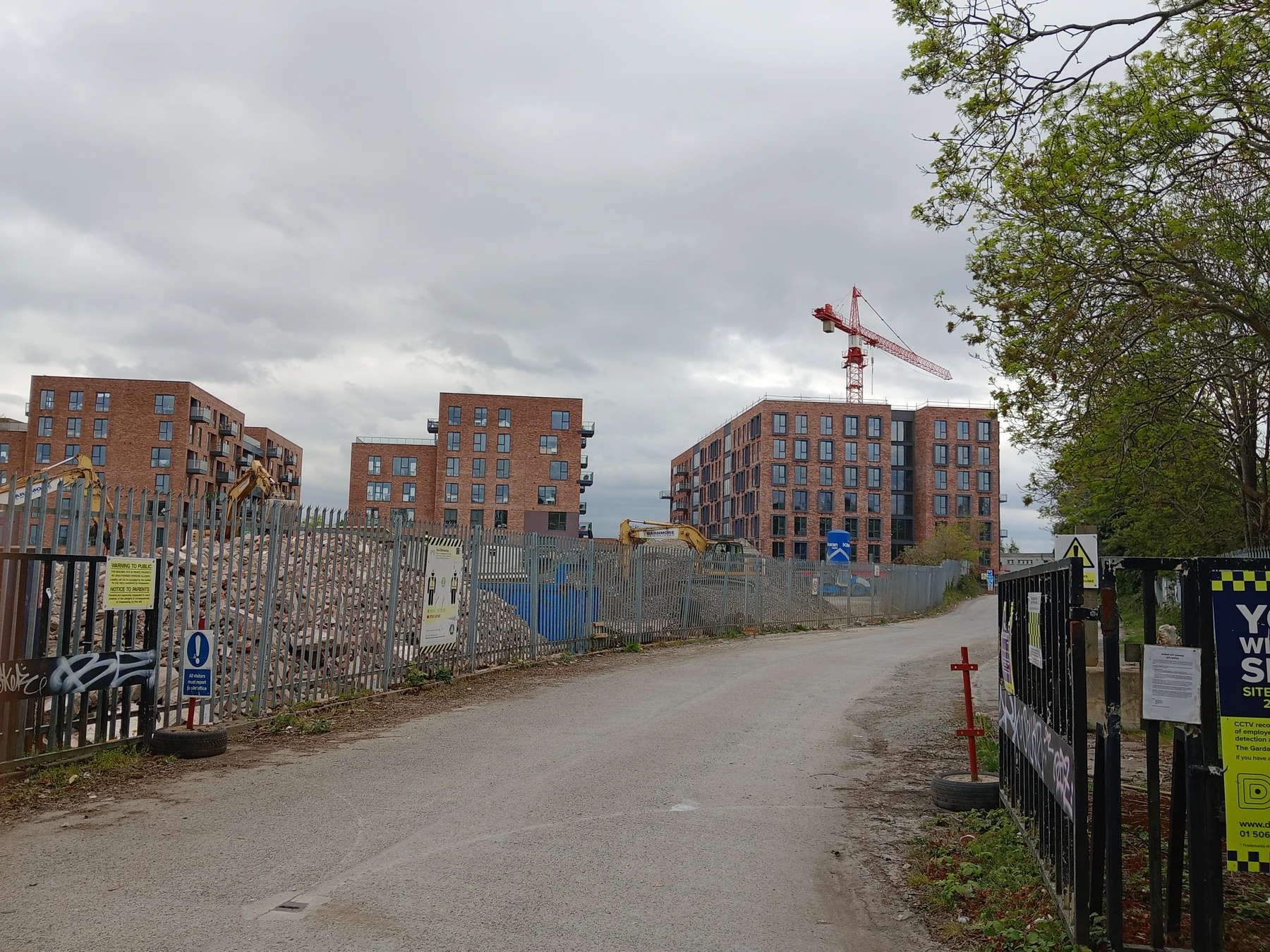
Photograph: Finnfrog99’s view of apartment construction beside Omni Park, Santry, taken on 27 April 2026, under CC BY-SA 4.0. Resized and converted to WebP. This dated view illustrates residential construction; it is not a report on the site’s current progress.

Join the conversation
Keep it kind, relevant and constructive. Comments are reviewed before they appear.
Be the first to share a thought.