

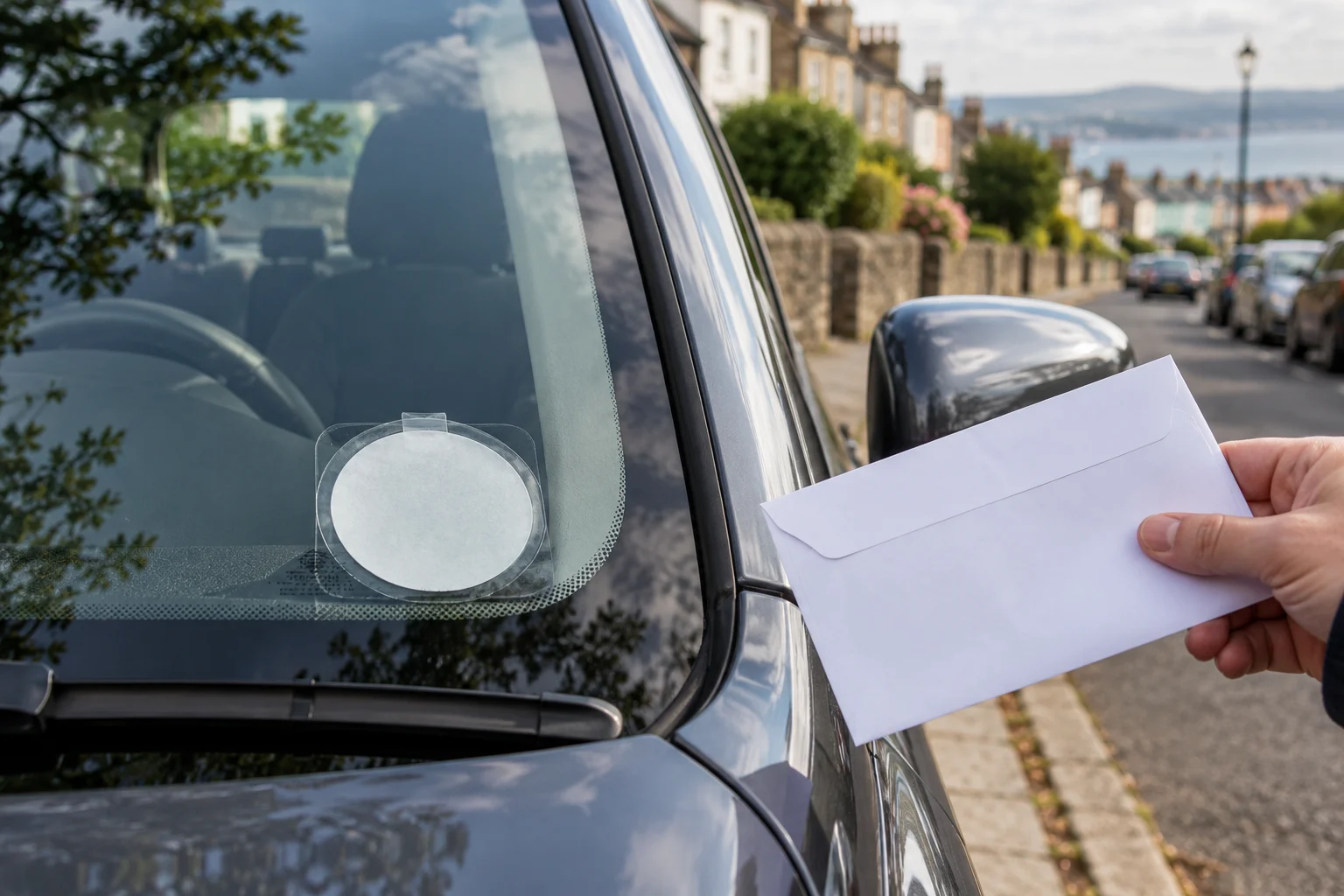
Motor tax is the charge that generally applies when a vehicle is used in a public place in the Republic of Ireland. For most drivers, the practical questions are familiar: when does the disc expire, how do you renew online, what happens if you buy a used car, and can you declare a vehicle off the road?
Start by checking the vehicle’s current status and renewal details on Motor Tax Online. The registration number, the appropriate PIN, an email address and a payment card are normally needed for an online transaction. If the vehicle or owner details have changed, or the vehicle is in a special tax class, the local motor tax office can explain the documents required.
Motor tax, vehicle registration tax, insurance and the National Car Test are different things. Paying one does not replace the others. This guide concerns motor tax in the Republic; Northern Ireland has a separate system. Rules, amounts and procedures can change, so check the official service before paying or making a declaration.
What is motor tax and when is it due?
The Department of Transport’s guide to payments and renewals says liability arises when a vehicle is used in a public place or on a public road. The motor tax disc records the period for which the vehicle is taxed. A reminder can help, but the owner should still check the expiry rather than assume a notice will always arrive.
Look at the disc and the vehicle record well before the end of the month in which the current period expires. A calendar reminder gives time to resolve a missing PIN, an address change or a vehicle ownership record that has not yet been updated. The correct next step can differ if you intend to renew, sell the vehicle or declare it off the road.
For a new or imported vehicle, registration is a separate step. The Department notes that vehicle registration with Revenue deals with vehicle registration tax, or VRT. Do not treat a VRT transaction as proof that motor tax has also been paid; check the status of each process.
How do I renew motor tax online?
The official Motor Tax Online service provides a renewal route and vehicle-status facilities. Its welcome page says online users need the vehicle registration number, PIN, email address, credit or debit card and billing details. Enter the official address yourself or use a trusted link, check the vehicle details shown, and review the amount and period before submitting payment.
Once the payment process is complete, retain the confirmation and follow the service’s instructions about delivery and tracking. Do not share the PIN or card information with someone who contacts you unexpectedly and offers to renew on your behalf. If a message asks for payment, verify it independently through the official website rather than following a questionable link.
An online journey will not suit every case. A change in vehicle classification, missing documentation or a special exemption can require extra checks. If the service will not accept the transaction, contact your local motor tax office and explain the issue instead of trying to guess an answer in order to proceed.
Where do I find my motor tax PIN?
The official service says a PIN appears on the renewal notice. For a previously taxed second-hand vehicle, it also describes using the last six digits of the Vehicle Registration Certificate number. For the first taxing of a brand-new or imported vehicle, it describes using the last six characters of the chassis number, or VIN. The service also offers a PIN retrieval route.
The Vehicle Registration Certificate is often called the logbook or VRC. Its certificate number is not the same thing as the car’s registration number, and a VIN is a different identifier again. Read the instructions on the official screen and use the details appropriate to your vehicle. If they do not work, use the official help process rather than repeatedly entering guesses.
Keep these identifiers private. You do not need to post your VRC number, registration document or card details in a public forum to get help. A motor tax office can tell you what evidence it requires for a particular query.
Can I renew at a motor tax office instead?
The Department’s guidance describes renewal using the appropriate form and fee where there is no change in owner or vehicle details. Motor tax can also be dealt with through a local motor tax office. Contact the relevant office to confirm whether to attend in person or send the application by post, which documents it needs and what payment methods it accepts.
That check is especially useful if the address, owner, engine details or vehicle class have changed. A standard renewal is not necessarily the correct form for a change of particulars. Businesses and owners of goods or passenger-service vehicles may need extra documentation, including evidence related to the vehicle’s category or roadworthiness.
Keep copies of documents you send and allow time for the office to process an application. If the disc is close to expiry, ask the office about the current procedure rather than assuming that posting an incomplete form has settled the position.
Can I pay for three, six or 12 months?
The Department says discs are generally issued for three, six or 12 whole calendar months. It also says vehicles with an annual tax of €119 or less can only be taxed for 12 months. The options presented for a particular vehicle should be checked in the current official service or with the motor tax office.
A shorter period can help with cash flow, but compare its actual charge with the annual option before choosing. Do not assume that four quarterly payments total the same amount as one annual payment. Use the official figure for the vehicle’s classification and dates rather than a figure from an old advertisement.
Discs are issued for whole calendar months. This matters when first taxing a vehicle or changing plans near the beginning or end of a month. Review the dates shown in the transaction before payment so you know which period is being purchased.
How is motor tax calculated for a car?
The answer depends on the vehicle and its registration history. The Motor Tax Online rate guidance describes engine-capacity based and carbon-dioxide based systems for private cars, as well as special treatment for some vehicles first registered during the first half of 2008 and for imports.
The service describes different emissions measures for different registration periods, including NEDC for certain cars registered in Ireland from July 2008 through 2020 and WLTP for cars first registered from 2021. An imported vehicle’s original registration and the emissions data available at registration can matter. Commercial vehicles taxed privately have their own treatment described by the service.
This is why it is risky to estimate a bill from engine size, fuel type or the year on a number plate alone. Use the official rate lookup by vehicle registration number and check the current classification. If the record appears wrong, ask the motor tax office what evidence is needed to correct it. Do not assume a private car and a similarly sized goods vehicle are necessarily assessed alike.
What happens if motor tax has expired?
Check the current status through the official service and contact the motor tax office if you are unsure what is due. The online guidance explains when arrears arise in various situations, including following a sale or the registration of a new or imported vehicle. The Department says the advance non-use system replaced the old approach of declaring a period off the road retrospectively when seeking to tax a vehicle.
A car sitting unused on a driveway is not by itself proof that a valid non-use declaration was made. Do not assume that simply not driving cancels an amount shown as due. The office can explain the vehicle record, applicable arrears and what steps are available. This guide cannot determine an individual liability.
Motor tax is also separate from roadworthiness and insurance. If the disc has expired, do not treat an NCT appointment, an insurance renewal or a plan to pay later as a substitute for resolving the tax position.
Can I declare a vehicle off the road?
Yes, an owner who will not use the vehicle in a public place can make a declaration of non-use. The Department says this must be made in advance, either online through Motor Tax Online or using form RF150 and sending it to the local motor tax office. Its declaration guidance says the declaration must be made during the last month of the current licence or an existing declaration, ahead of the proposed period of non-use.
The timing is the key detail. Decide what you intend to do before the current period ends, read the declaration carefully and retain confirmation. If you miss the appropriate window or the vehicle has an existing tax issue, ask the office about the current record before making a declaration. Do not submit a statement about non-use unless it accurately reflects your circumstances.
An off-road declaration concerns motor tax; it is not an instruction to cancel insurance or a substitute for checking the condition of a stored vehicle. If you later plan to use it in a public place, check the official steps for taxing it again and arrange the other requirements applicable to the vehicle before doing so.
What changes when I buy a second-hand car?
The vehicle ownership record needs to be updated. The Department’s vehicle ownership and motor tax information explains the national vehicle record and the available ownership procedures. Motor Tax Online also has a facility to check the status of a change of ownership.
Agree with the seller who will complete each part of the transfer and verify the official process for the vehicle’s registration type. Keep a record of the agreed sale date and watch for the updated registration certificate. If the transfer has not been recorded, ask the responsible office what remains to be done; a private agreement alone is not a substitute for an updated vehicle record.
Before buying, check the tax status and the next expiry. The online guidance distinguishes arrears associated with a previously taxed vehicle after a sale from other periods. If an amount appears that you do not understand, ask the motor tax office to explain it rather than assuming that the seller’s history automatically becomes your liability.
What if I sell the car?
Complete the appropriate ownership-change procedure promptly and keep evidence of the transaction. An outdated owner record can cause practical problems with correspondence and later vehicle matters. Check the official ownership guidance for whether the transaction can be completed online or requires the vehicle registration document to be sent, as the procedure depends on the circumstances.
Do not assume that an unexpired disc can simply be transferred to another car you buy. The disc relates to the vehicle and its recorded tax period. The Department’s refund guidance also sets out specific circumstances in which a refund may be requested; a sale alone should not be treated as an automatic refund.
Can I get a motor tax refund?
Refunds are available only in specified circumstances. The Department lists examples including a vehicle being scrapped or destroyed, permanently exported, stolen and not recovered, or certain circumstances where the owner has ceased using it. Its guidance says applications use form RF120 and generally require at least three unexpired whole calendar months remaining on the surrendered disc.
The timing of surrender matters: the Department says refunds are generally calculated from the first day of the month following surrender. Contact the motor tax office promptly to check eligibility, supporting evidence and the current process. For a scrapped vehicle, it may require evidence from an authorised treatment facility. Do not assume that every period without use qualifies.
What if my disc or documents are lost?
Use the official replacement-document information and contact the local motor tax office if you are unsure which form or evidence applies. A lost disc, a lost registration certificate and a change of address are separate requests. Explain exactly what is missing and confirm the current fee, witnessing requirements and delivery process with the office.
While waiting for a replacement or correction, keep the official acknowledgement and ask what you should do about the vehicle’s status. A screenshot from an unfamiliar website or an unofficial substitute is not the same as a replacement issued through the proper process.
What should I check before renewing?
Confirm the registration, owner and address; check the period and fee on the official service; and decide whether renewal or a properly timed non-use declaration fits your actual plans. If you bought the vehicle recently, check that the ownership change has been recorded. If the vehicle is commercial, exempt or imported, check whether additional documentation or different assessment rules apply.
Finally, keep motor tax alongside, but distinct from, insurance, the NCT or other vehicle testing and regular maintenance. The safest way to answer a complicated case is to consult the official vehicle record and your local motor tax office, rather than applying a rule from a different vehicle or an old online discussion.


Join the conversation
Keep it kind, relevant and constructive. Comments are reviewed before they appear.
Be the first to share a thought.