

Choosing where to live in Dublin starts with a particular home and the journeys you would make from it. A district’s reputation, a county rent average and an advertised salary answer different questions. None can tell you on its own whether an address will work for your household.
Build a shortlist around three things you can check: the accommodation genuinely available, the income you can rely on and the route home at the time you actually travel. This guide brings together dated Dublin figures and a way to compare those choices without claiming that one neighbourhood suits everyone.
How much is rent in Dublin?
The RTB/ESRI first-quarter 2026 Rent Index put Dublin’s standardised average monthly rent at €2,335 for new tenancies and €1,960 for existing tenancies. Existing tenancies in this comparison were at least a year old. The figures describe January to March, not a quote for accommodation available in October.
The RTB’s explanation of the index says standardisation adjusts for differences in property characteristics. Registered tenancy rents should not be treated as a room-share price, a live listing average or an entitlement to a particular rent.
For an actual property, ask what the quoted payment covers. Heating, electricity, internet and other charges may sit outside it. Keep the deposit, moving costs and any temporary accommodation separate from the recurring monthly amount. Compare the same arrangement: a room with shared facilities and a self-contained home are not interchangeable offers.
Which areas are best, and is outside Dublin cheaper?
There is no single best district for every household. Begin with three real addresses: perhaps an inner-city home, one beside a useful rail or tram connection and one farther out. Then test each against your working hours, access needs, shopping, care responsibilities and the people or services you need nearby.
The RTB report’s wider Dublin commuter-region measure, covering Meath, Kildare and Wicklow together and excluding Dublin, recorded a €1,806 standardised average for new tenancies in Q1 2026. That suggests why people compare a wider search area. It does not identify the cheapest town near Dublin or establish that a suitable home is available there now.
Compare dated, available listings for the same size and household arrangement. Record the exact address, charges, condition and terms. A lower headline rent can lose its advantage if it adds a car, parking, extra fares or journeys that do not fit a shift. Keep travel time visible beside money rather than quietly assigning it a value of zero.
Test the commute at the right time
Transport for Ireland’s TFI Live guide explains how to plan a door-to-door journey using departure or arrival times and different modes. The service also provides timetables and real-time departures for the main bus, tram and rail operators.
Put the front door and the actual workplace or campus into the planner. Check an ordinary working morning, the evening return and any late or weekend journeys you depend on. Include walking, waiting and transfers; a nearby station is useful only if the service goes where and when you need it.
As a practical test, compare what happens if you miss a connection. Check the next option and the walk from the final stop. During autumn and winter, that last stretch matters as much as the part spent inside a vehicle. Our Luas and winter transport guide gives the separate tram and ticket checks.
What is the average salary in Dublin?
The CSO’s annual earnings tables, released on 6 October 2026, show Dublin mean annual earnings of €67,241 and median annual earnings of €50,474 for 2025. The median is the middle of the included employments; the mean can be influenced by higher earnings.
The annual analysis excludes employments active for fewer than 50 weeks. Its county classification is based on residence, so the Dublin figure is not a survey of every current vacancy at a Dublin workplace. The CSO’s background notes explain that the administrative source measures gross earnings. These figures are before deductions, not monthly take-home pay or a promised salary.
For a move, use the pay, hours and conditions in an actual offer. A county statistic cannot establish the amount left for housing after a particular person’s deductions and essential expenses. Our cost-of-living guide explains how to put those expenses on the same time scale.
Is Dublin safe at night?
A citywide yes-or-no answer cannot assess a particular route or guarantee safety. Walk the route you would regularly use when it is practical to do so, notice lighting and open public places, and check the final service home before relying on it.
In its November 2025 personal-safety advice, An Garda Síochána recommends planning the outward and return journey, letting someone know your plans, using busy well-lit streets and avoiding confrontation with aggressive people. Keep valuables secure and remain aware of your surroundings. This is practical guidance, not evidence for labelling a whole neighbourhood unsafe.
Which Dublin population figure are you reading?
The CSO’s county summary, published on 30 May 2023, recorded 1,458,154 people in Dublin in Census 2022. Keep both the county boundary and the census year attached: this is not an October 2026 headcount or a figure for the city-centre area alone.
Use the statistics as context, then return to the shortlist. The useful outcome is an address whose cost, condition and everyday journeys you have checked, rather than a claim that one postcode or salary makes the decision for you.
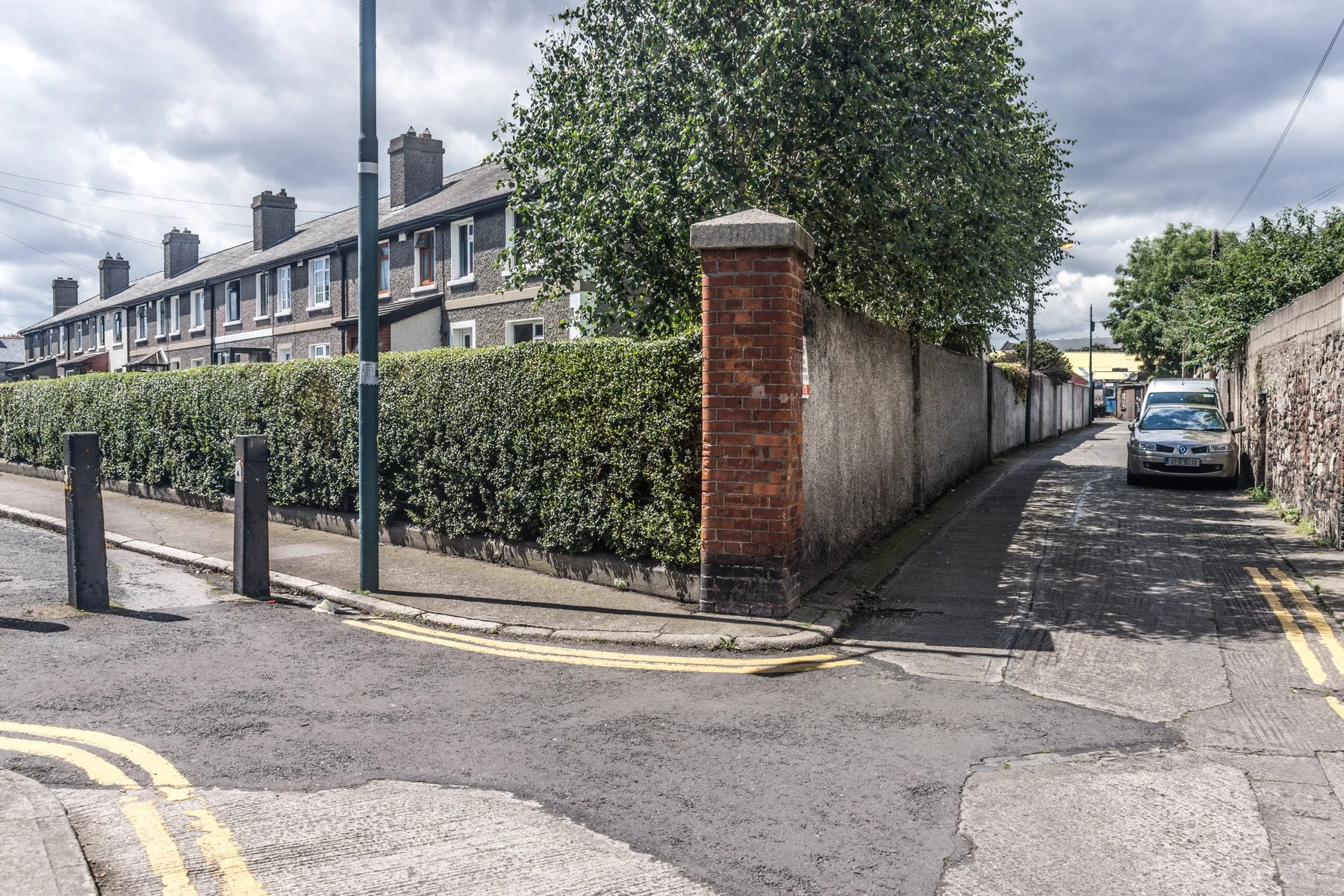
Photograph: William Murphy’s “Stoneybatter Area Of Dublin – Halliday Road”, taken on 4 July 2012, under CC BY-SA 3.0. Resized and converted to WebP; this version is shared under the same licence. The archive street view illustrates residential Dublin and does not establish current property availability, rent or safety.


Join the conversation
Keep it kind, relevant and constructive. Comments are reviewed before they appear.
Be the first to share a thought.