A first Dublin visit works best when the plan matches what you actually enjoy: public art collections, Irish history, neighbourhood streets, food, music or a short city break before travelling elsewhere. It is worth visiting for those city experiences; it is a different holiday from spending several days among rural landscapes.
Two full days are a useful planning starting point for a compact first visit, with a third day giving more room for another neighbourhood or a longer museum visit. That is a suggested pace, not a rule or a claim that every attraction fits into a fixed number of hours. Check opening and booking details for your dates.
Begin with two real cultural stops
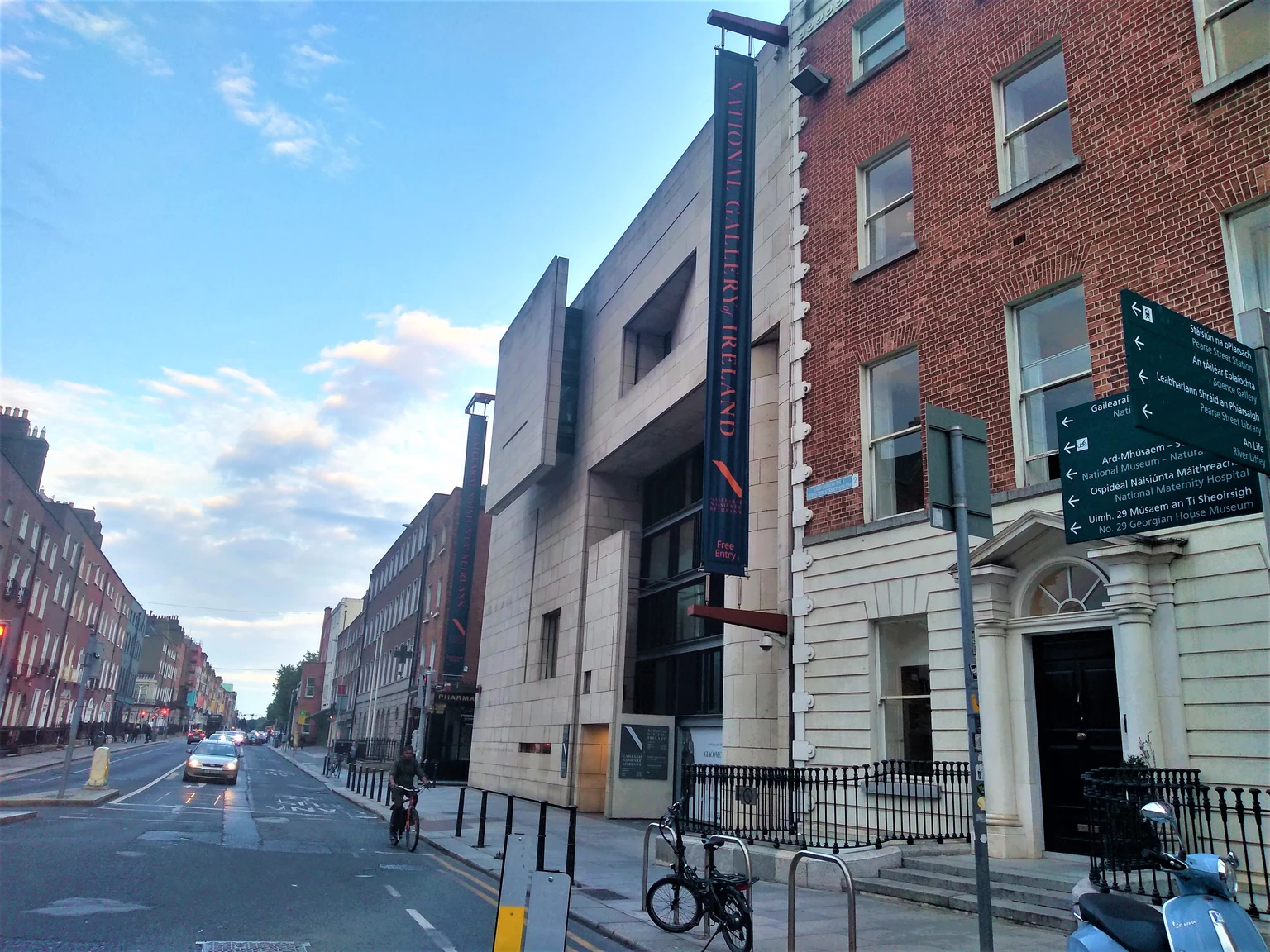
The National Gallery’s visitor guide says the permanent collection is free to visit without booking for ordinary individual visits; some temporary exhibitions require tickets, and groups have separate booking arrangements. That makes the collection a practical choice for art without committing the whole day to a paid exhibition.
Nearby, the National Museum’s Kildare Street visitor information confirms free admission to its archaeology location. Choose the parts that interest you rather than treating either collection as something to rush through between photographs.
The museum’s current hours and facilities page lists Tuesday–Saturday opening from 10am to 5pm and Sunday/Monday from 1pm to 5pm. Individuals, families and small social groups do not need a booking; groups of eight or more have advance-booking requirements. A Monday arrival therefore needs a different morning plan from a Saturday.
Free admission still needs a practical check
The Gallery’s current opening-hours page lists later opening on Thursday, but also warns that further short-notice closures may be necessary following the 14 October industrial-action closure. Check the latest notice for the day you intend to go; a normal weekly schedule is not confirmation that every room is open.
Keep the museum locations distinct. The National Museum’s visitor information says its Merrion Street natural-history building is closed for works and points visitors to the Dead Zoo Lab at Collins Barracks. Do not follow an old free-museums list to a closed building or assume the archaeology museum and natural-history museum share an entrance.
For a low-cost afternoon, combine one of the verified free collections with time on nearby public streets and a meal you have priced yourself. A separately ticketed show, guided tour or exhibition belongs on a separate budget line.
Where should a first-time visitor stay?
Choose an address by the journeys you expect to make, not just the district name. Put the accommodation on a map beside your main attractions, arrival route and last service back. Ask about late check-in, luggage storage, step-free access and the room’s actual cancellation conditions before booking.
Visit Dublin’s neighbourhood guide describes places including Smithfield, Stoneybatter, Portobello and Ranelagh. They offer alternatives to concentrating every visit around the central shopping and nightlife streets. Smithfield and Stoneybatter can make sense for a northside-focused plan; Portobello or Ranelagh may suit a southside itinerary. These are geographical planning choices, not assurances about a particular hotel’s price, quietness or accessibility.
For a very short stay, an address closer to the things you want to do may save transfers. For a longer visit, compare that convenience with the full cost and journey of staying farther out. A cheaper room is not automatically a cheaper trip if the transport or arrival arrangements do not work for you.
Is Dublin expensive? Price the actual trip
Dublin can become an expensive break when accommodation and paid attractions dominate the plan. There is no single daily amount that fairly describes every season, room type and traveller. Compare room quotes for the same dates, include all charges and cancellation terms, and add meals, airport travel and chosen admissions before deciding.
There are specific costs you can check. The Luas Leap-fare page currently lists a €2 adult TFI 90 Minute Fare for qualifying journeys, with different fares for other card categories and selected shorter trips. It does not mean every airport service or transport product costs €2.
The two free collections above provide a clear way to balance paid and unpaid activities. Set a budget for the particular things you want rather than buying several tickets simply because they appear on a must-see list.
Walking, tram, bus or DART?
Visit Dublin’s first-visit advice highlights the compact centre and the value of planning the airport journey and bookings ahead. Walking can connect nearby central stops if it suits your mobility and the weather. For farther destinations, compare the actual bus, Luas or rail journey for your date and time.
Our Luas and winter public-transport guide explains operating hours, ticket validation and the dated Red Line works on 17–18 October. Luas is the tram network carrying passengers now; MetroLink is not a current airport transport option.
In autumn and winter, keep a dry indoor alternative and check the return before travelling out. A coastal or suburban excursion needs time for the journey as well as the destination; adding it to a two-day plan means leaving something else out.
A manageable two-day outline
For day one, consider the Gallery and Kildare Street archaeology museum, with a break and a walk in the surrounding centre. Check the later Monday museum opening and allow time for the parts of a collection you care about. For day two, choose a Liffey-side walk and one neighbourhood, or reserve the day for a particular booked attraction and nearby stops.
On a third day, add another part of the city or a carefully timed outward trip. Keep the itinerary flexible around weather, access and opening notices. The aim is a visit with time to look, eat and get home comfortably, not evidence that you have completed Dublin.
Photograph: National Gallery of Ireland, by EstherWikipedian, dated 28 July 2022, via Wikimedia Commons. Resized and converted to WebP; this version is shared under CC BY-SA 4.0.

Join the conversation
Keep it kind, relevant and constructive. Comments are reviewed before they appear.
Be the first to share a thought.