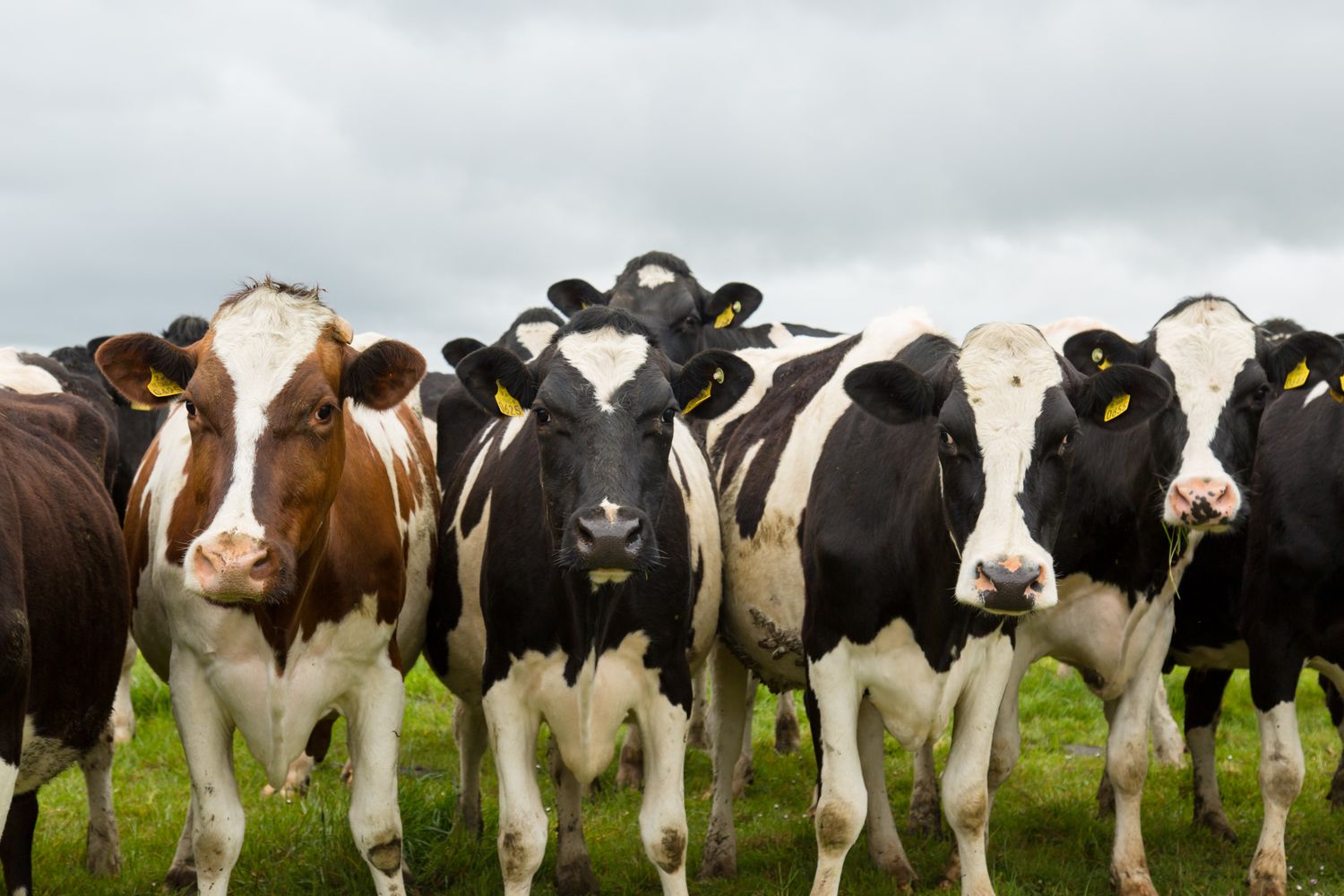
Irish processors and co-ops received an estimated 865.3 million litres of domestic milk in August 2026, according to figures released by the CSO on 7 October. That was 79.4 million litres, or 8.4%, below August 2025. The longer January-to-August comparison shows a smaller decline of 2.5%, with intake estimated at 6.43 billion litres. [1]
Reading the monthly and accumulated figures together gives a more useful picture than projecting one month’s fall across the entire year. It also keeps the comparison like for like: August against August, and eight months against the same eight months a year earlier.
Volume is one part of the picture
The release records higher fat content, at 4.50% compared with 4.23% a year earlier, while protein content fell from 3.72% to 3.61%. Butter production dropped from 30,500 tonnes to 29,800 tonnes; skimmed milk powder production rose from 12,700 tonnes to 13,600 tonnes. A fall in milk intake therefore does not imply that every measured output moved in the same direction. [1]
The figures are national estimates for milk intake and related production. They do not, by themselves, explain the reasons for an individual farm’s results, establish the price paid to a supplier or show the financial position of a local co-op. A farm’s receipts and costs require separate evidence.
Keep the earlier comparison in view
January-to-August intake was still 3.6% above the corresponding period in 2024, even though it was below 2025. August on its own was 2.5% lower than August 2024. Changing the comparison year can therefore change the impression a headline gives. [1]
For people following the dairy economy, retain the reference month, comparison year and unit beside any number shared. Ask separately about litres received, composition, processed products and prices rather than treating them as one indicator. The CSO release supplies the first parts of that picture; further evidence is needed before drawing conclusions about incomes, employment or future production.
This article explains the published August data. It is not a forecast for the remainder of 2026 or a report from a particular farm.


Join the conversation
Keep it kind, relevant and constructive. Comments are reviewed before they appear.
Be the first to share a thought.