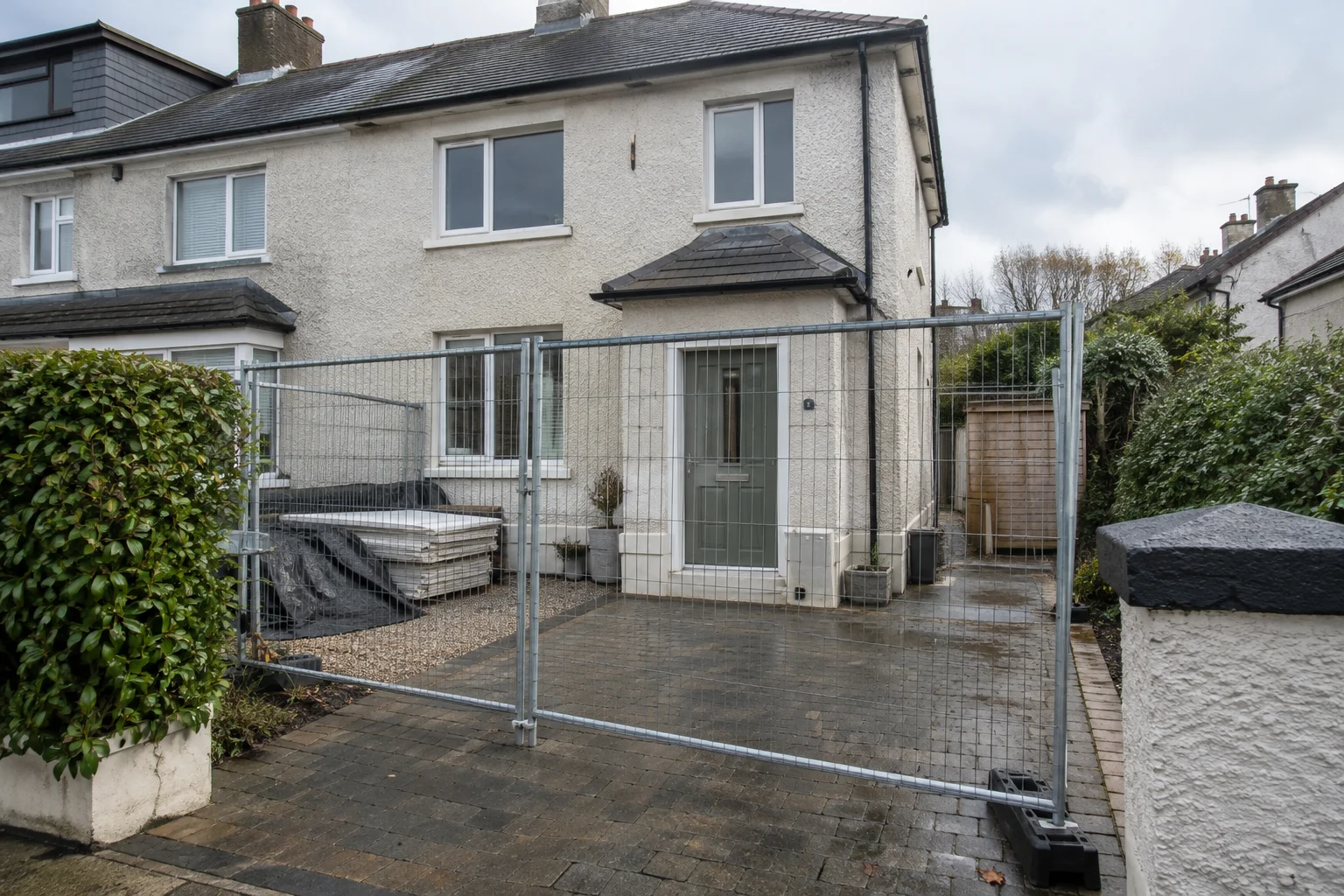
When building work takes place at a home, the household and the construction project can share an address while needing separate arrangements. Before work begins, establish who is responsible for site safety, where household access ends and how changes will be communicated.
This is particularly useful for families remaining in the property during a renovation. A familiar room or garden does not remain an ordinary living area once construction work starts there.
Confirm the formal responsibilities first
The Health and Safety Authority's homeowner guide explains that paying for construction work brings client responsibilities, including appointing competent people. Project supervisors are required where more than one contractor is involved, where particular risks arise, or where the work exceeds the specified duration or person-day thresholds. Required appointments must be made in writing, with written acceptance. [1]
Ask the competent project team to establish which duties apply to the actual work, including design-stage and construction-stage supervision. Separate trades arriving at different times should not simply be assumed to remove coordination requirements.
The HSA explains that the Project Supervisor Construction Stage coordinates construction safety and must be appointed before work begins. A project-specific construction safety plan must be developed before the work starts. [2]
Agree how home and site meet
Ask the supervisor or contractor to explain the planned boundary, safe household route, delivery arrangements and end-of-day security. Identify any rooms or outdoor areas that will be unavailable. Discuss how children, pets and visitors will be kept away from the work zone.
Write down the agreed arrangements in a household note, alongside the site's contact person. That note supports communication; it does not replace the professional safety plan or make the homeowner responsible for designing technical controls.
Treat changes as new questions
If access, working areas or the sequence of trades changes, ask how the household arrangements will change too. Do not enter a closed work area to inspect progress, bypass a barrier or try to assess scaffolding or temporary structures yourself.
Agree how concerns will be reported and who will answer them. A photograph or message from outside the work area can describe an observation, but should not be treated as a professional safety assessment.
Keep the handover record
The HSA guide explains the safety file's value for future work and later owners. Retain it when one is required. [1] Keep household contact notes and final handover information alongside it, clearly distinguishing temporary arrangements from the permanent building records.
The useful outcome is a household that understands its access and reporting arrangements, supported by the competent people appointed for the project.
Sources were checked on 13 October 2026.


Join the conversation
Keep it kind, relevant and constructive. Comments are reviewed before they appear.
Be the first to share a thought.