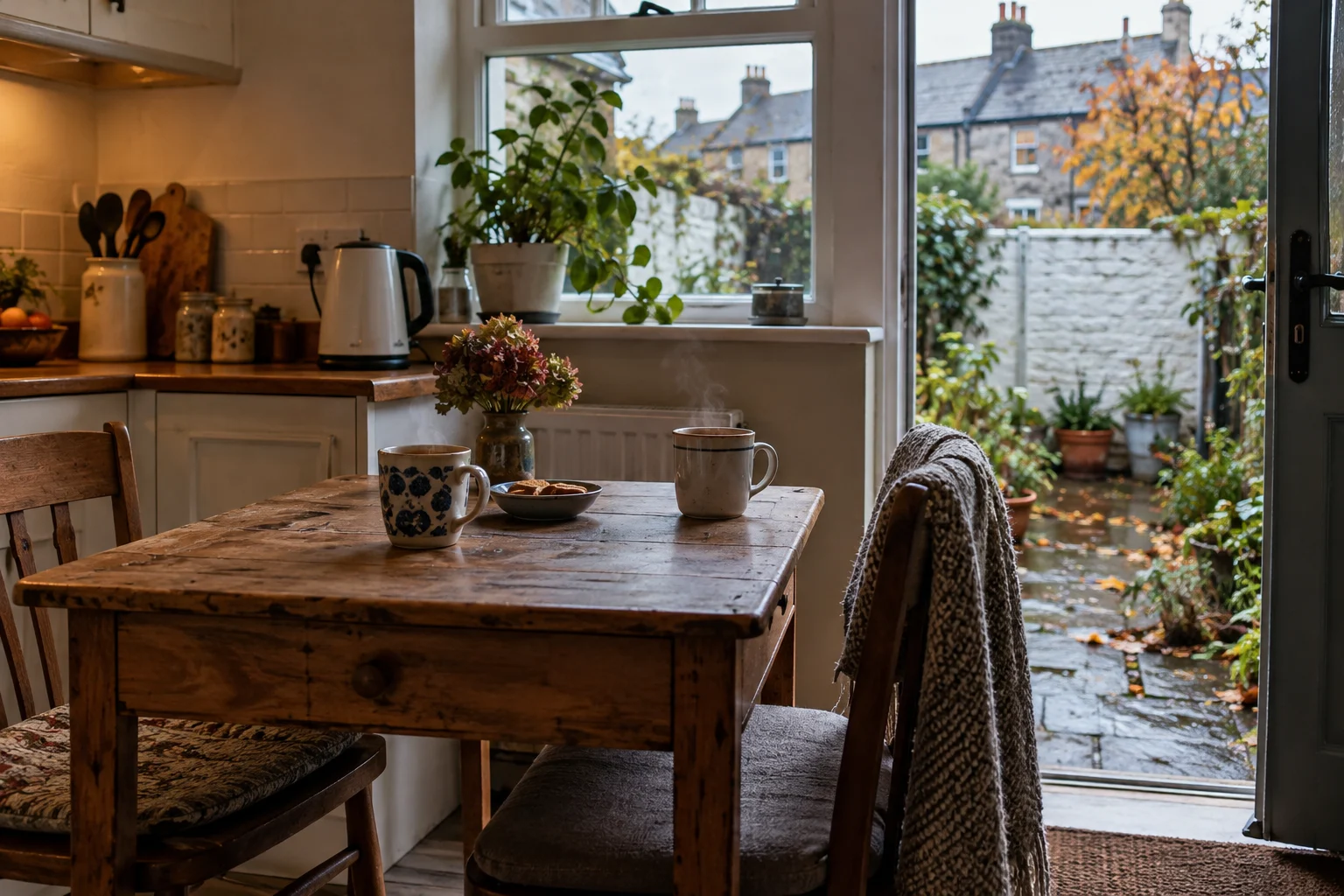
Conversation, humour, music and local community life are familiar themes in how Ireland presents its culture. They are useful starting points for someone settling in or visiting, but they are not a personality test that every resident must pass.
Age, place, family background and personal preference all matter. Approach a cultural custom as an invitation to understand the people around you, rather than a rule telling you how a whole country behaves.
What people mean by the craic
Tourism Ireland describes craic as a word connected with fun, news, gossip and the atmosphere of enjoying company. It also highlights conversation and humour in social life. [1] The meaning comes from context: someone asking about the craic may simply be opening a friendly conversation.
You do not need to answer with a performance. A short reply about your day, a local event or something you have been doing is a perfectly reasonable way to begin. Asking a question back gives the other person room to join in.
Humour works best when you know the relationship
Playful comments can be part of a relaxed conversation, but familiarity matters. Listen to how people speak to one another before assuming teasing will be welcome. A joke between old friends may land very differently when repeated by a stranger.
If you do not understand a remark, ask what it means. If you find it uncomfortable, you can say so. Recognising a cultural reputation for humour does not require accepting an insulting comment or pretending something is funny.
Hospitality is a small exchange, not an obligation
When a host offers tea, coffee or something to eat, respond to the actual offer rather than trying to follow a supposed national script. You can accept, decline politely, or mention a dietary requirement. An offer is a chance to make a guest comfortable; it does not oblige either person to guess what the other wants.
The same principle helps in social venues. Join the conversation when appropriate, listen when someone is speaking or performing, and ask before photographing people. There is no requirement to drink alcohol to take part in community life.
Local clubs help explain local connections
The GAA describes the club as its basic unit and its work as community-based and volunteer-led, promoting games, culture and continuing participation. [2] That helps explain why a local match or club activity can matter beyond the result on a scoreboard.
For a newcomer, ask a club directly about ways to participate or help. Do not assume you must already know the sport, or that every neighbour supports the same team. Other community groups can offer a similar point of connection around shared interests.
Stories have a place and a history
The National Folklore Collection documents oral tradition and cultural knowledge, including customs, music and stories gathered across Ireland. Its material can be explored through dúchas.ie. [3] An archived account describes a person, place and period; it should not automatically be treated as a present-day practice everywhere.
If a tradition interests you, ask where it comes from and how people use it now. That approach leaves room for both continuity and change, and for residents whose everyday lives do not match a familiar cultural image.
Sources were checked on 14 October 2026.

Join the conversation
Keep it kind, relevant and constructive. Comments are reviewed before they appear.
Be the first to share a thought.