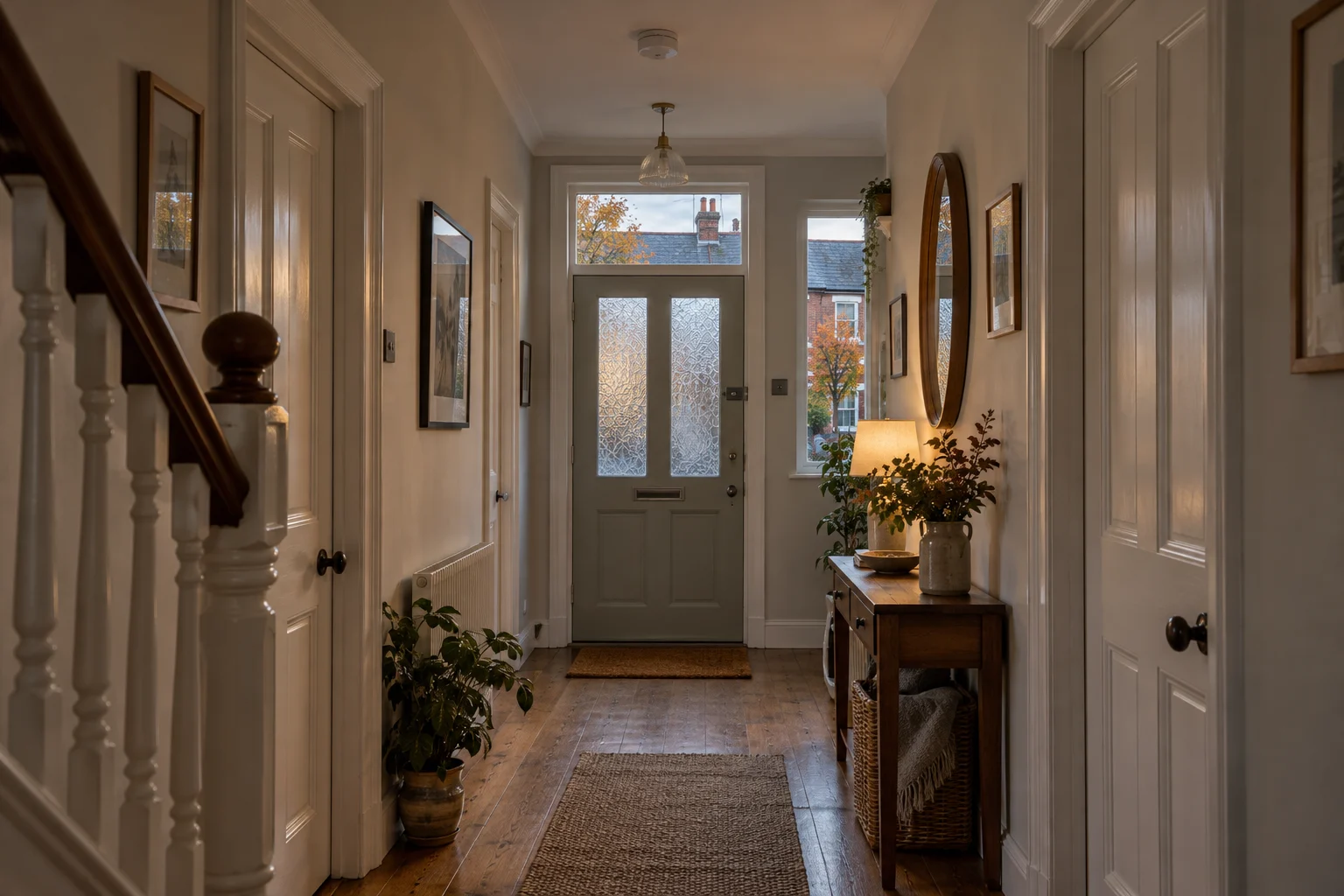
Fire Safety Week begins on 12 October and continues until 18 October. The National Directorate for Fire and Emergency Management’s campaign asks people to consider everyday hazards in the rooms they use and to look out for older or more vulnerable people in their community. [1]
A useful household response is to make a short evening walk-through part of the routine. Give each room a specific check, then finish by confirming how everyone would leave and call for help. The aim is a repeatable habit, rather than a one-off tidy-up that is forgotten after the campaign.
Look at how each room is actually used
Fire Ireland identifies cooking, heaters, open fires, smoking and charging electrical items as risks to consider in different rooms. Its campaign also calls for annual chimney cleaning and heating-system servicing. [1]
Write down any maintenance appointment still needed and who will arrange it. Keep servicing separate from everyday observations: a clear room or a successful alarm test does not establish that wiring, a heating appliance or a chimney is safe. Arrange appropriate professional help for faults and servicing; do not open appliances or attempt wiring repairs as part of this walk-through.
Make the bedtime check specific
Fire Ireland’s routine checklist includes extinguishing candles and other naked flames, unplugging unnecessary electrical appliances, keeping escape routes clear and closing doors to limit the spread of fire and smoke. It also includes using a sparkguard at a fireplace. [2]
Check the spaces where things accumulate, such as a hallway or landing. Put bags and other obstructions somewhere that leaves the route usable. Follow appliance instructions when deciding what must remain powered; equipment designed or required to stay on should not be switched off indiscriminately.
Choose a time that fits your household’s actual evening. If several people share the home, agree who makes the final check and how others will know it has been done.
Check detection without confusing different alarms
Fire Ireland advises weekly smoke-alarm testing using the test button and replacement before expiry. Its detection page distinguishes smoke alarms, kitchen heat alarms and carbon-monoxide alarms. A CO alarm is an additional device, rather than a substitute for fire detection. [3]
Follow the particular alarm’s instructions for testing, battery arrangements and replacement. Note any missing instructions or unresolved fault so it gets attention. The authority says people who have difficulty affording suitable alarms may be eligible for its Community Smoke Alarm Scheme; ask the local fire authority about the details, rather than assuming eligibility. [3]
Finish with the people and the way out
Discuss the escape plan with everyone in the home, including anyone who may need help. Fire Ireland recommends knowing how the exit can be opened, agreeing an outside meeting point and keeping a working torch beside the bed. Its emergency guidance is to get outside, call 999 or 112 and stay out. [4]
If helping a relative or neighbour, agree the visit with them and listen to the difficulties they identify. A checklist can support preparation; it cannot certify a property or replace a professional assessment.
Sources were checked on 12 October 2026.


Join the conversation
Keep it kind, relevant and constructive. Comments are reviewed before they appear.
Be the first to share a thought.