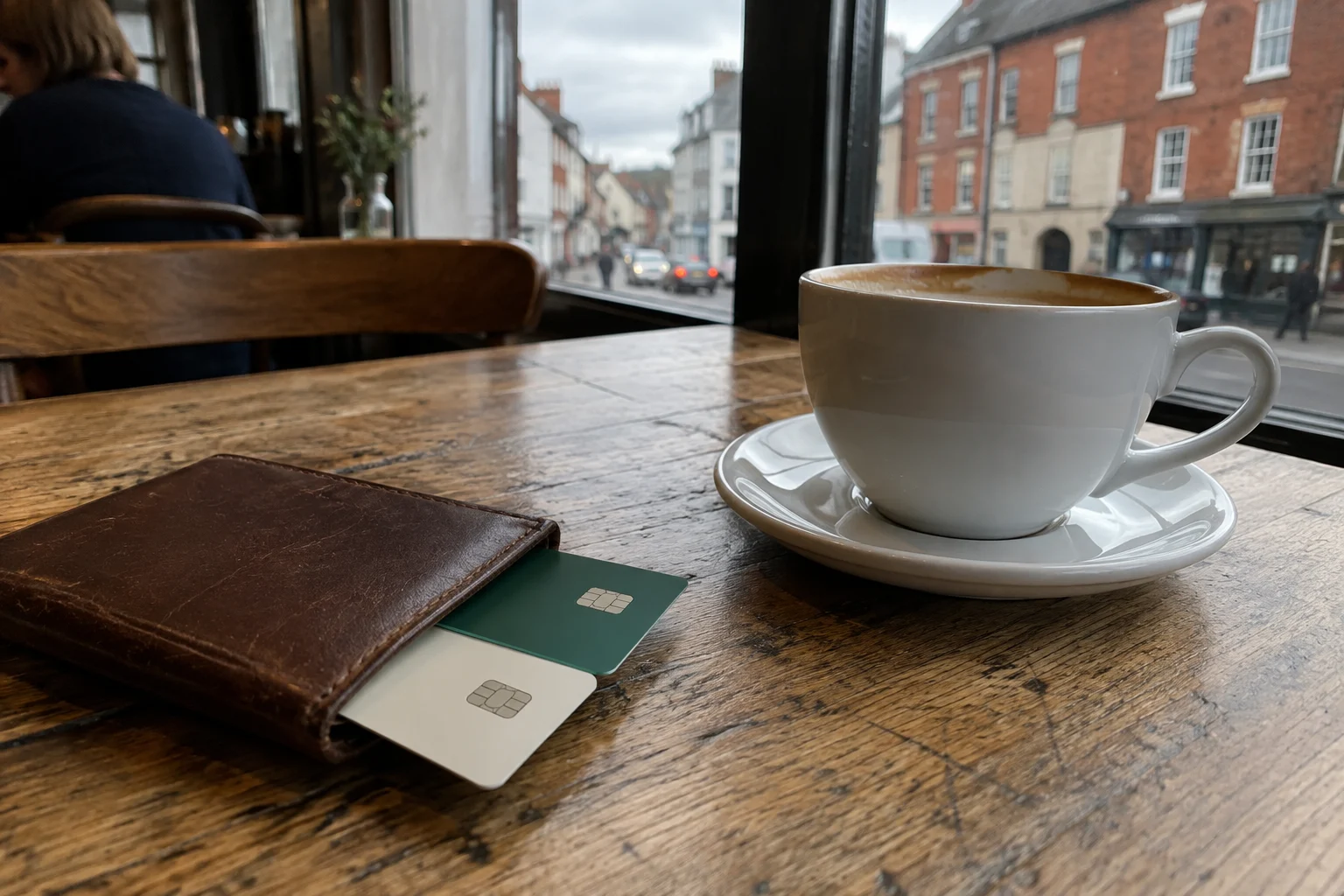
A debit card and a credit card may look similar at an Irish checkout, but the payment begins in a different place. Understanding that difference is more useful than treating either card as automatically better for everyday spending.
Balance available versus credit available
The CCPC explains that a debit card draws on a current account, while a credit card provides borrowing up to an agreed limit. A debit purchase can still involve borrowing if it uses an overdraft, so debit should not be read as a guarantee of no debt or interest. [1]
A credit limit is the amount the provider allows you to borrow, not extra household income. Before a purchase, the practical question is which balance will change and what obligation follows it.
The statement is part of a credit purchase
Credit-card statements show the balance, minimum repayment and payment deadline. Paying only the minimum does not clear the balance. The CCPC explains that interest-free purchase arrangements have conditions, commonly requiring full payment by the due date; cash withdrawals can be treated differently. [2]
Read your own agreement rather than assuming a general description applies unchanged. A repayment reminder should identify the amount due and the actual deadline. A calendar entry that simply says pay card leaves those questions unanswered.
For a debit card, review the current-account balance and any overdraft terms. This is a different routine: keeping track of money already in the account and noticing account charges or borrowing that the transaction may trigger.
Compare cash withdrawals separately
The CCPC warns that credit-card cash withdrawals can attract interest immediately. It also explains that card and account charges depend on the provider and transaction. [1][2] A cash withdrawal should therefore have its own line in a comparison, rather than inherit the assumptions used for purchases.
Put each card's purchase terms, cash-withdrawal terms, fees and repayment conditions beside one another. Leave unknown entries marked for a question to the provider; do not fill them with another bank's advertised terms.
Choose the task before the card
For an everyday payment, identify the source of the money and the effect on the next account or card statement. For any use of credit, understand how and when the borrowing will be repaid. If the balance is already difficult to manage, contact the provider or an appropriate independent money-advice service rather than treating another card as a solution.
This comparison explains the mechanics. It does not recommend a lender, a credit limit or a borrowing decision for an individual household.
Sources were checked on 13 October 2026.


Join the conversation
Keep it kind, relevant and constructive. Comments are reviewed before they appear.
Be the first to share a thought.